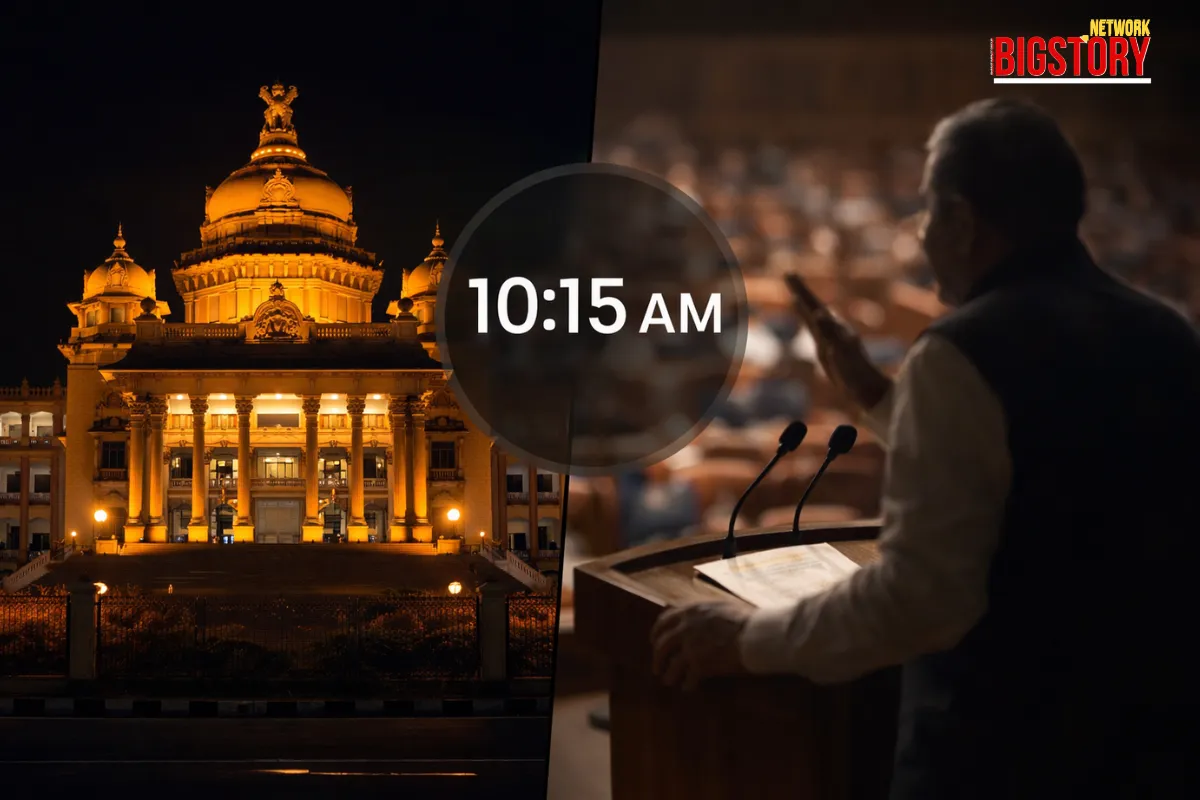
A fiery debate over astrology and constitutional morality erupted in the Karnataka Assembly after the Chief Minister defended his rationalist stance, openly admitting to consuming non-vegetarian food during major Hindu festivals.
 Brajesh Mishra
What happened: Karnataka CM Siddaramaiah told the State Assembly he eats mutton on festivals like Shivaratri and Ugadi, outright rejecting astrological restrictions.
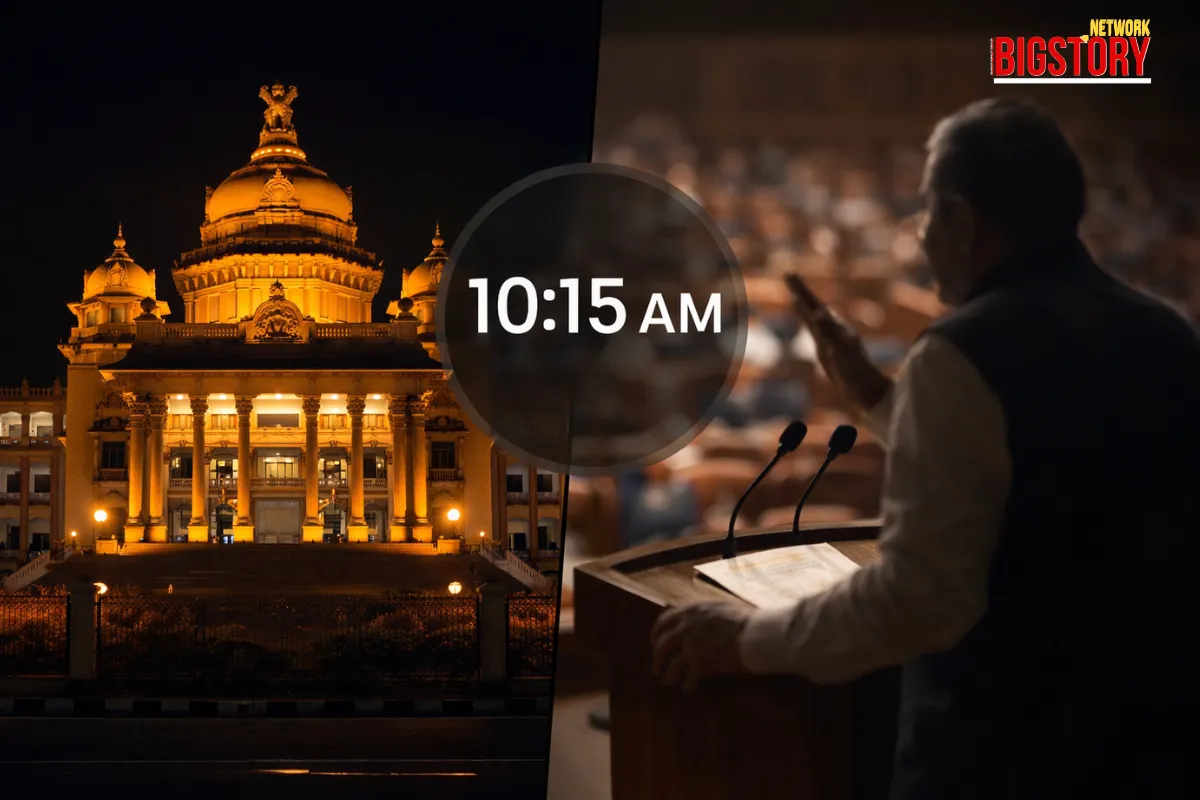
Why it happened: The remark was a direct retort to BJP leader R.Ashoka, who teased the CM for presenting his state budget just 15 minutes early to avoid the "inauspicious" period of Rahu Kaala.
The strategic play: Siddaramaiah is leveraging his "rationalist" identity to counter the BJP's Hindutva narrative, even while admitting his family pressured him into following traditional timings for official business.
India's stake: The debate highlights the deep ideological divide in Karnataka politics between traditional religious customs and a state-led push for scientific temper and rationalism.
The deciding question: Will this unapologetic statement successfully consolidate Siddaramaiah's AHINDA voter base, or has he handed the opposition a powerful narrative just as the state heads toward its next political cycle?
A major political storm has erupted in the Karnataka Legislative Assembly after Chief Minister Siddaramaiah made a series of provocative remarks regarding his dietary habits and personal beliefs during Hindu festivals. Speaking on Wednesday, March 25, 2026, the CM declared that he rejects traditional notions of "auspicious" timing and openly admitted to consuming non-vegetarian food on holy days like Maha Shivaratri.
The debate rapidly evolved from a discussion on state finances into a high-voltage clash over ideology, personal faith, and constitutional morality, perfectly encapsulating the deep political divides heading into Karnataka's next electoral cycle.
The row stems from the timing of the 2026–27 State Budget, which was Siddaramaiah's 17th budget presentation—a record in Karnataka's history.
Siddaramaiah, Chief Minister of Karnataka
The Chief Minister used the floor of the House to reaffirm his image as a rationalist and an agnostic who opposes the Karma theory. Rejecting Ashoka's taunts, he stated, "I don't subscribe to restrictions linked to Rahu Kaal, Gulika Kaal, Yamaganda Kaal or even solar eclipses. People avoid non-vegetarian food during festivals, but I ate mutton on Shivaratri; there is nothing wrong with it. All days are the same." He added that while he believes in God, he views the divine as omnipresent and not confined strictly to temples or specific holy hours.
R. Ashoka, Leader of the Opposition (BJP)
Ashoka led the charge for the opposition, accusing the CM of holding double standards. He suggested that Siddaramaiah was willing to respect Hindu astrology when it came to securing his own government but was quick to make statements that offend the religious sentiments of the majority community. Ashoka also aimed sarcastic jabs at the internal dynamics of the Congress government, noting that Deputy CM D.K. Shivakumar frequently visits temples—such as the Kamakhya Temple in Assam—while the CM claims to reject such practices.
While national media coverage is heavily focused on the clash between "Auspicious Timing vs. Rationalism," the true "Missed Angle" is how this debate exposes the internal tug-of-war within the ruling Congress party itself.
By making these bold statements on the floor of the House, Siddaramaiah is doing more than just fighting the BJP; he is asserting his ideological dominance within his own cabinet. Many of his cabinet colleagues—most notably Deputy CM D.K. Shivakumar—are known to be staunch believers and regular temple-goers who frequently engage in "soft-saffron" optics.
Siddaramaiah's unapologetic admission of eating meat on Shivaratri is a direct signal to the party cadre that his specific brand of AHINDA (minorities, backward classes, and Dalits) politics will not bow to traditional religious pressures.
As political lines are drawn, the question remains: in modern Indian politics, does an open embrace of rationalism win votes, or does it alienate a deeply traditional electorate?
News & Wire Coverage:
 Exclusive Content




Sign up for the Daily newsletter to get your biggest stories, handpicked for you each day.


 Trending Now! in last 24hrs